The world of tattoo art accommodates a diverse variety of designs to suit the personality and foster the creative genius, of just about any woman. Kanji tattoo designs in the western hemisphere however, are making a play to stand tall above the rest. Such designs have gained notoriety with celebrities and common folk from all lifestyles.
Kanji tattoo designs come from a Japanese script, originating within Chinese characters. Kanji tattoos in essence, are ideograms depicting abstract ideas such as spirit, belief, love, loyalty, trust or the conveyance of any individual significance. In the ongoing spirit of competition, some tattoo bearers and artists alike, envelope their characters with various pictures to round out the tattoo. Whether looking to write a special name or to revere particular scenery, Kanji tattoos have one intention - to make a statement even if shrouded in mystery. The objective is to gain attention and ask questions, perhaps an icebreaker in conversation with strangers.
The script of Kanji has given rise to prominence to both Japanese and Chinese linguistics among admirers of tattoo art. However, those who engrave their bodies with the script, at times lack real reverence for such complex language and culture. It is worth understanding a thing or two about the script and the culture before inking your body with characters that mean something far different from what you intended. Kanji tattoo designs rely on the characters being correctly oriented to convey specific meaning, and it is worth noting that Kanji is not a proper interpretation of script for writing foreign names. Translating an English name to Kanji may yield a translation, but the translation will be superficial, rather than accurate.
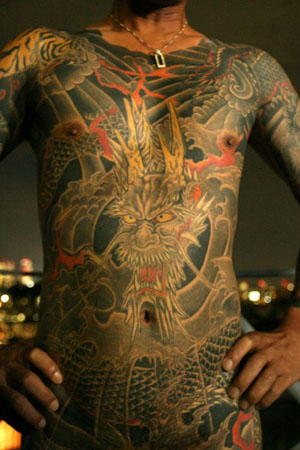
You should also keep in mind that in Japan, the culture is such that the typical Japanese do not share the same fondness for tattoos. Tattoos are usually associated with a shadowy group of characters known as the Yakuza, or Japanese mafia. If you ever visit Japan, you will notice that most bath houses forbid entrance by those showing tattoos. This is the polite, non-confrontational way of conveying that the Yakuza are not welcome on the premises.
Of the Chinese and Japanese scripts, Kanji by far presents difficulties for even native speakers to comprehend. The driving force behind the Kanji tattoo design popularity is that the elegant script is one of visual artistic expression, unlike many other forms of writing. The calligraphy can be written in such a flowing way as to express a feminine and delicate tattoo design or drawn in a more masculine fashion. As well, if you are looking for Kanji Tattoo, before you get inked, your first consultation should be with an expert translator of Japanese to insure absolute correct translation, as tattoos are fairly permanent. Do your research first to insure complete satisfaction of your new body art. So, go tatt yourself!